Blue Space: How Water Shapes Rest and Recovery
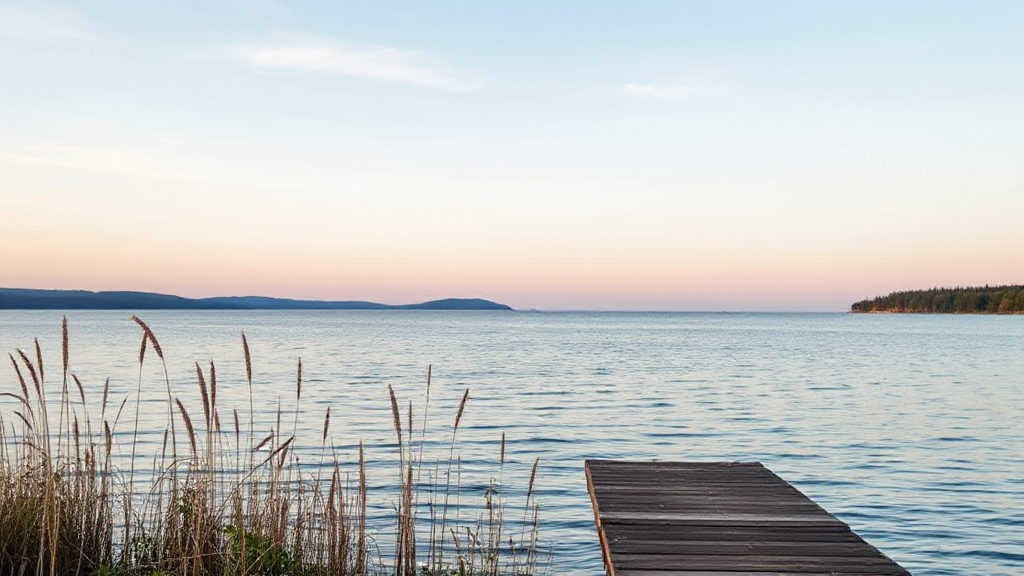
At night, near water, the sound is never quite silence. It is a low, rhythmic breathing — waves folding over pebbles, a river pushing against its banks, a lake lapping at a wooden dock. People have always described this sound as soothing, but in recent decades sleep researchers and environmental psychologists have begun to measure what happens in the body when it hears water. The findings are quietly remarkable, and they have turned a poetic idea into a field of study. For anyone interested in Health, understanding blue space is no longer a matter of intuition alone. It is a matter of evidence.
Coastal Air, Sleep, and the Slow Nervous System
Coastal environments appear to influence sleep through several overlapping pathways. The first is acoustic. Ocean waves produce a broadband, low-frequency sound that masks sudden noises — a car door, a barking dog, a neighbor’s television. Because the brain does not have to stay alert for sharp interruptions, it can spend more time in the deeper stages of non-REM sleep. Studies using portable sleep monitors have found that people sleeping near the shore often show longer stretches of uninterrupted slow-wave sleep than matched participants sleeping in comparable urban rooms.
Air quality and humidity play a supporting role. Sea air tends to carry fewer of the fine particulates that irritate airways, and the moderate humidity of a coastal night can ease breathing for people with mild respiratory sensitivity. There is also the matter of light. Coastal towns often have darker skies and fewer late-night screens glowing through windows, which helps the body’s melatonin rhythm stay aligned with the natural day.
None of this means the ocean is a medicine. It means the coast is a set of conditions — sound, air, light, temperature — that happen to suit human biology. That distinction matters, because it suggests the benefits are not magic. They are environmental, and many of them can be reproduced or approximated elsewhere.
Lakes, Rivers, and the Recovery of Attention
Inland water offers a different kind of rest. Lakes and rivers are usually quieter than the sea, and their visual character is calmer — gentler movement, softer reflections, fewer dramatic shifts. Environmental psychologists describe this as a “soft fascination” environment: something that holds the eye without demanding effort. The result is what researchers call attention restoration, a measurable recovery of the directed focus that modern work steadily depletes.
River corridors add a second benefit through movement. Walking beside a river is a low-impact activity with a rhythm that many people find easier to sustain than gym exercise. The combination of gentle motion, changing scenery, and the sound of flowing water appears to lower self-reported stress and improve mood in studies of riverside walking groups. This is one reason that Nature access has become a serious topic in public health planning, not just a leisure preference.
Lake environments also tend to support better recovery after illness or injury. Rehabilitation programs in several countries now use lakeside paths for walking therapy, in part because the setting encourages people to stay outside longer. Fresh air, mild terrain, and a destination — a jetty, a bench, a viewpoint — turn a short walk into a routine. Recovery, after all, is rarely about one heroic effort. It is about repetition in a place that does not feel like a chore.
Gardening by the Water: Small Blue-Green Habits That Last
Most people cannot move to the coast, and they do not need to. The research on blue space increasingly points toward something more practical: small, repeated contact with water, combined with green surroundings, produces a meaningful share of the benefit. This is where the garden meets the shoreline, and where everyday habits can borrow from both.
A pond, a rain garden, a fountain, or even a simple water feature near a seating area can introduce the acoustic and visual qualities of blue space into daily life. The sound of moving water masks traffic noise and gives the mind a soft anchor. Plants around that water — reeds, ferns, flowering shrubs — add the green element that studies associate with lower stress and better mood. This is essentially Gardening with a deliberate nod to blue-space research, and it works at almost any scale, from a balcony trough to a suburban backyard.
The habit matters more than the size. Ten minutes sitting beside water in the morning, before the day’s demands arrive, can set a calmer tone. A short walk along a canal after work can separate the working day from the evening. A weekend visit to a lake or a riverbank can restore the longer, slower attention that a week of screens erodes. These are modest acts, but they are the kind that accumulate.
There is also a social dimension. Water draws people together — fishing piers, swimming spots, promenades, and riverside benches are shared spaces. Loneliness is a well-documented risk to physical health, and environments that make casual conversation easier have a quiet protective effect. A familiar nod to a fellow dog-walker on the towpath is not trivial. It is part of what keeps people well.
What the science ultimately suggests is not that water heals us, but that it gives us conditions in which healing, rest, and recovery become easier. The sound at night, the softened light, the gentle path, the reason to step outside — these are small things. Placed together, and repeated, they shape how well we sleep, how steadily we feel, and how quickly we return to ourselves after difficulty. Blue space is not a cure. It is a setting, and a generous one, available to far more people than we usually assume.