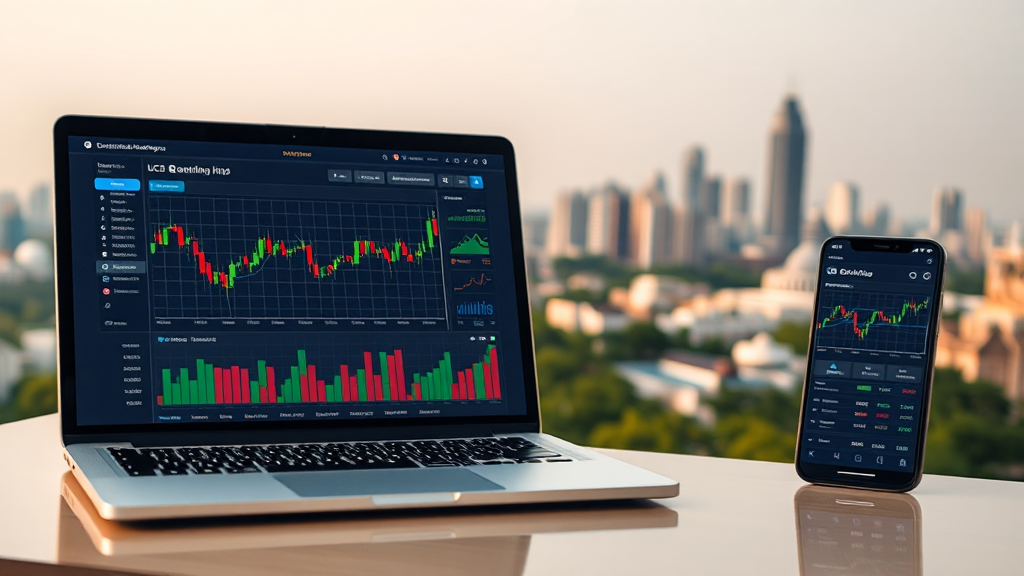
MCX DABBA TRADING: A Modern Approach to Commodity Markets in India
In the fast-evolving landscape of Indian financial markets, traders constantly seek innovative ways to participate in commodity trading. One such method that has gained significant traction is MCX DABBA TRADING. This approach combines the traditional appeal of commodity markets with the efficiency of modern technology, offering a unique avenue for investors and traders. Whether you are a seasoned market participant or a newcomer exploring opportunities, understanding the nuances of dabba trading within the MCX framework can open new doors. This article delves into the concept, its benefits, risks, and how platforms like the DABBA TRADING APP are reshaping the experience.
Understanding MCX and Its Role in Indian Commodity Markets
The Multi Commodity Exchange (MCX) is India’s premier commodity derivatives exchange, facilitating trading in a wide range of commodities including metals, energy, and agricultural products. Established in 2003, MCX has become a vital hub for price discovery and risk management. Traders use MCX to hedge against price volatility or to speculate on price movements of commodities like gold, silver, crude oil, and natural gas. The exchange operates under the regulatory oversight of the Securities and Exchange Board of India (SEBI), ensuring a structured and transparent trading environment. For many, MCX represents the gateway to the dynamic world of commodities, and the integration of dabba trading mechanisms adds a layer of flexibility that appeals to a broader audience.
What is Dabba Trading? A Closer Look
Dabba trading, often referred to as “bucket trading” or “off-book trading,” is a practice where trades are executed outside the formal exchange framework. In traditional dabba trading, brokers match client orders internally without routing them to the exchange, effectively operating a parallel market. This method allows for faster executions, lower transaction costs, and greater flexibility in terms of contract specifications. However, it also carries inherent risks, including lack of regulatory oversight and potential for disputes. In the context of MCX, dabba trading has evolved to leverage technology, enabling traders to participate in commodity price movements with ease. The DABBA TRADING ecosystem has modernized this concept, providing a secure and user-friendly interface for traders to engage in commodity dabba trading.
The Rise of MCX Dabba Trading Platforms
With the increasing demand for efficient trading solutions, several platforms have emerged to facilitate MCX dabba trading. These platforms offer real-time price feeds, advanced charting tools, and rapid order execution, all accessible via web or mobile applications. One such platform is the DABBA TRADING ID, which provides traders with a unique identifier to access the system. This ID ensures that each trader’s activities are tracked and managed effectively, enhancing transparency within the dabba trading framework. The growth of these platforms is driven by the need for speed and convenience, particularly among day traders who rely on quick decision-making. By integrating with MCX price movements, these platforms allow traders to speculate on commodities without the complexities of traditional exchange membership.
Benefits of Using MCX Dabba Trading
One of the primary advantages of MCX dabba trading is the speed of execution. Traditional exchange trading involves multiple intermediaries, which can lead to delays. Dabba trading eliminates many of these steps, allowing orders to be filled almost instantaneously. This is crucial in volatile markets where every second counts. Additionally, dabba trading often offers lower fees compared to standard brokerage charges, making it attractive for high-frequency traders. The flexibility in contract sizes is another benefit; traders can engage in smaller lot sizes, which is particularly appealing for retail investors with limited capital. Furthermore, platforms like the DABBA TRADING SITE provide intuitive interfaces that simplify the trading process, making it accessible even to those new to commodity markets.
Risks and Considerations in MCX Dabba Trading
Despite its advantages, dabba trading carries significant risks that traders must understand. The most notable risk is the lack of regulatory protection. Since dabba trades are not routed to the exchange, they are not covered by SEBI’s investor protection mechanisms. This means that if a broker defaults, traders may have limited recourse. Additionally, the absence of a central clearinghouse increases counterparty risk. Price manipulation is another concern, as the internal matching system can be exploited if not properly monitored. It is essential for traders to choose reputable platforms that adhere to ethical practices and maintain transparent records. The DABBA TRADING APP emphasizes security and reliability, aiming to mitigate these risks through robust technology and compliance measures.
How to Get Started with MCX Dabba Trading
Getting started with MCX dabba trading is relatively straightforward, especially with modern platforms. First, you need to register with a trusted dabba trading service provider. During registration, you will receive a unique DABBA TRADING ID, which is used to log in and manage your trades. Next, you’ll need to fund your trading account, typically through bank transfers or digital payment methods. Once your account is active, you can access real-time MCX price data and place orders. Most platforms offer demo accounts or virtual trading features, allowing you to practice before committing real funds. It is advisable to start with small positions and gradually increase your exposure as you gain confidence. Additionally, staying informed about commodity market trends and global economic factors is crucial for making informed trading decisions.
Regulatory Landscape and the Future of Dabba Trading
The regulatory status of dabba trading remains a gray area in India. While traditional exchange trading is strictly regulated, dabba trading operates in a legal vacuum. This has led to concerns about investor protection and market integrity. However, with the rise of technology-driven platforms, there is a growing call for formal recognition and regulation of dabba trading services. Some experts believe that bringing dabba trading under a regulatory framework could enhance its credibility and attract more participants. The future of MCX dabba trading likely lies in striking a balance between innovation and oversight. As more traders embrace this method, the industry may evolve to offer standardized practices and greater transparency, ensuring a safer environment for all stakeholders.
Conclusion
MCX dabba trading represents a modern and flexible approach to commodity trading in India. It offers speed, cost efficiency, and accessibility, making it an appealing option for many traders. However, it is not without risks, and the lack of regulatory oversight demands caution. By choosing a reputable platform like the DABBA TRADING APP, traders can enjoy the benefits of dabba trading while mitigating potential downsides. As the financial landscape continues to evolve, dabba trading is likely to play an increasingly prominent role in the Indian market, provided that it adapts to regulatory expectations and maintains high standards of integrity.
Frequently Asked Questions (FAQs)
Is MCX dabba trading legal in India?
Currently, dabba trading operates in a regulatory gray area. It is not explicitly legalized, but it is also not strictly prohibited. However, the lack of regulatory oversight means that traders do not have the same protections as in exchange-traded markets. It is crucial to understand the risks before engaging.
How does MCX dabba trading differ from traditional MCX trading?
Traditional MCX trading involves routing orders through the exchange, ensuring transparency and regulatory compliance. Dabba trading, on the other hand, matches orders internally without exchange involvement, offering faster execution and lower costs but with higher counterparty risk.
What are the risks of using a dabba trading platform?
The primary risks include lack of regulatory protection, potential for broker default, price manipulation, and limited legal recourse in case of disputes. It is essential to choose a platform with a strong reputation and transparent practices.
Can beginners participate in MCX dabba trading?
Yes, beginners can participate, especially with user-friendly platforms that offer demo accounts and educational resources. However, it is advisable to start with small amounts and gain experience before committing significant capital.
Readers who are interested in this topic will benefit from exploring multiple perspectives and understanding the nuanced approaches that industry leaders recommend. Taking time to research thoroughly ensures better outcomes and more informed decision-making.
Those looking to gain deeper knowledge in this area should consider following expert analysis, staying updated with the latest developments, and engaging with professional communities where these topics are discussed in detail.
A comprehensive understanding of this subject requires looking at both theoretical foundations and practical applications. By combining study with hands-on experience, learners can develop a well-rounded perspective that serves them well in real-world scenarios.
As the landscape continues to shift and evolve, staying informed about emerging trends and best practices becomes increasingly valuable. This ensures you remain competitive and capable of adapting to new challenges as they arise.